In most areas, the spring is typically the hottest market to sell a home. The weather is warming up, school is coming to an end, and families take the summer break to get moved and settled before the new school year. The next best season is the fall. Family vacations are over, everyone is back in a routine, and they have the time to put into the home buying process. There may be a different type of buyer in the summer months, those singles or families without the restrictions of the school year. The winter months can be considered a Buyer’s Market in "normal" market environments because those that are selling during the holidays are generally highly motivated by life events to sell.
It’s simple supply and demand. When there are more buyers than inventory of homes for sale, houses will get multiple offers and higher sales prices than if there are lots of homes for sale and fewer buyers. Even if inventory is low in the area, some neighborhoods may have a lot of competition to sell, making it harder for you to get the price you want. The more desirable of a neighborhood and lower inventory, the higher home values rise. Interest rates can also create a higher demand. When interest rates are low more buyers may be on the hunt than when interest rates are rising.
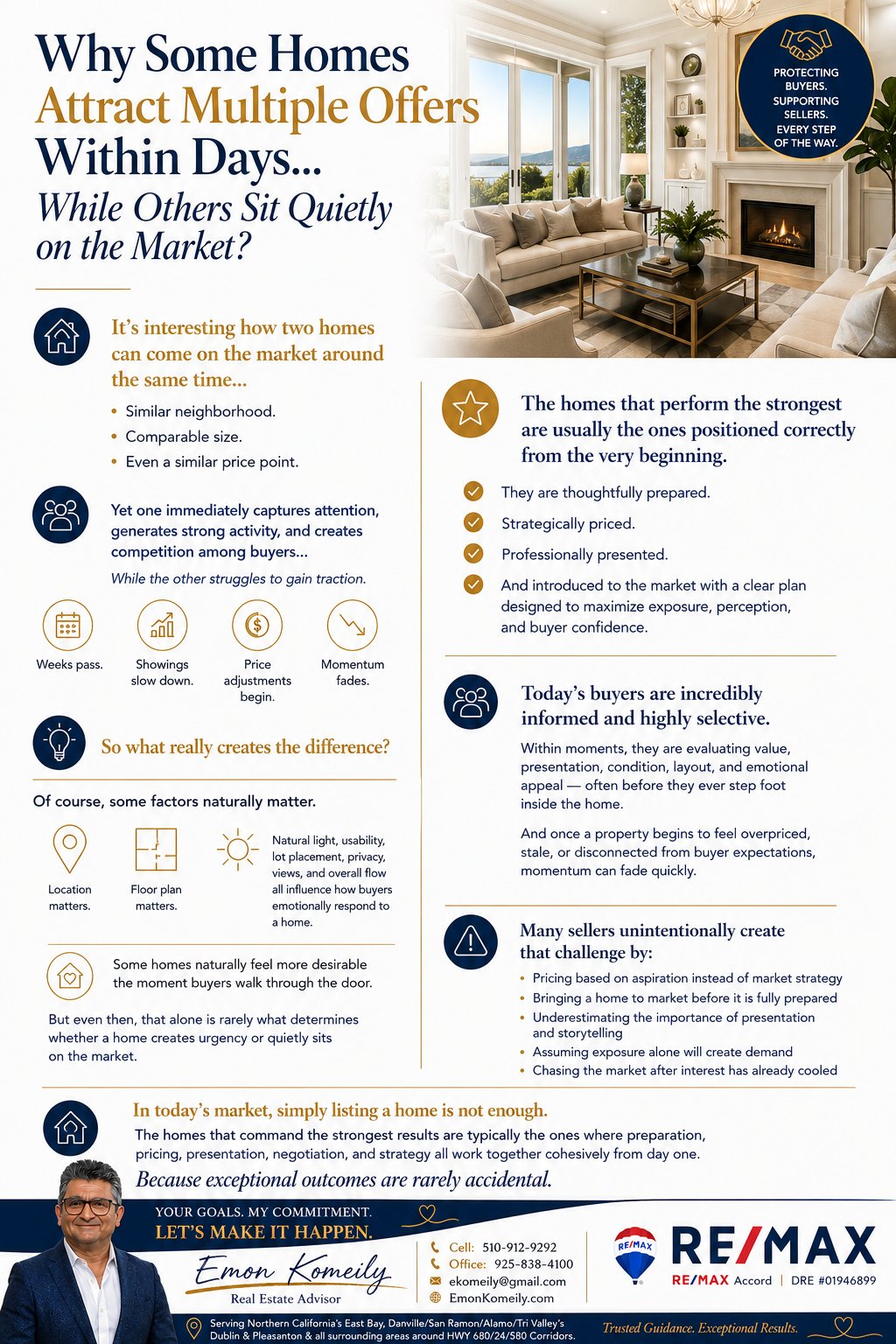
Consult with me, your real estate agent, to ensure your house is priced competitively and well-staged. While there are always three factors to getting a home sold...
location
price
condition
...only two are within your control: price and condition. Of the two, price is more significant. Remember that price will correct bad condition, but condition will never overcome a bad price.
At the home consultation, I will provide you with a CMA (Comparative Market Analysis). This report can be one of the most important tools in determining the list price. We will review the CMA together so you understand the current market in your neighborhood. Studying the past sales will help us develop a pricing strategy while giving you a realistic expectation as to how much your home might appraise for when you accept an offer. Remember, the listing price of a similar home is your competition, not a comparable for value. Active listings have not sold.
The CMA report usually contains:
Active listings in your area with a similar home; age of construction, number of beds, baths, and square footage.
Sold listings are homes that have sold within the last three months, plus pending sales that are likely to close by the time your home is sold.
Off-Market or expired listings. These are properties that were taken off the market for any reason.
First we start with a good preparation plan:
Clean everything, make it sparkle and shine.
Store personal photos and family memorabilia
Declutter every room, surfaces, furnishings, closets and don't forget the garage.
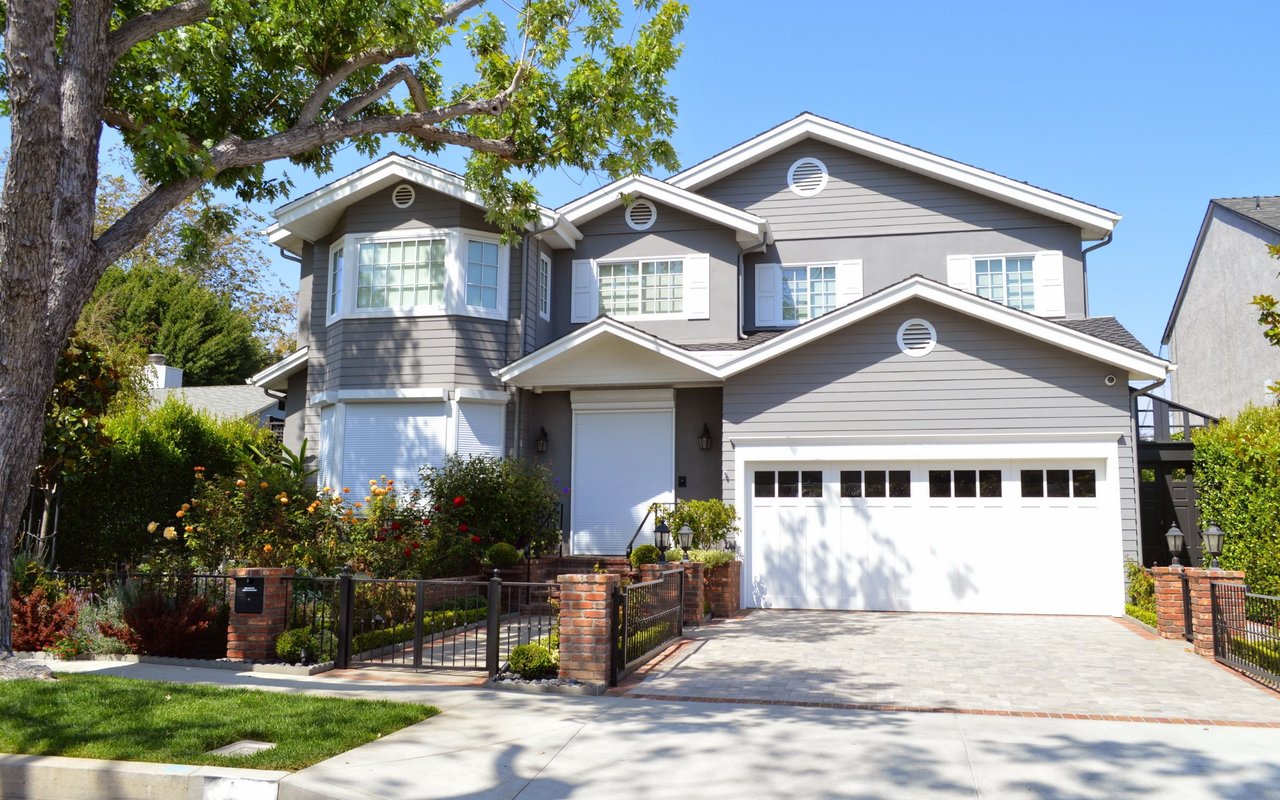
You get one moment to make a first impression. When potential buyers pull up to the curb in front of your home, you want the home to appeal to them, so they are excited to get out of the car and come inside!
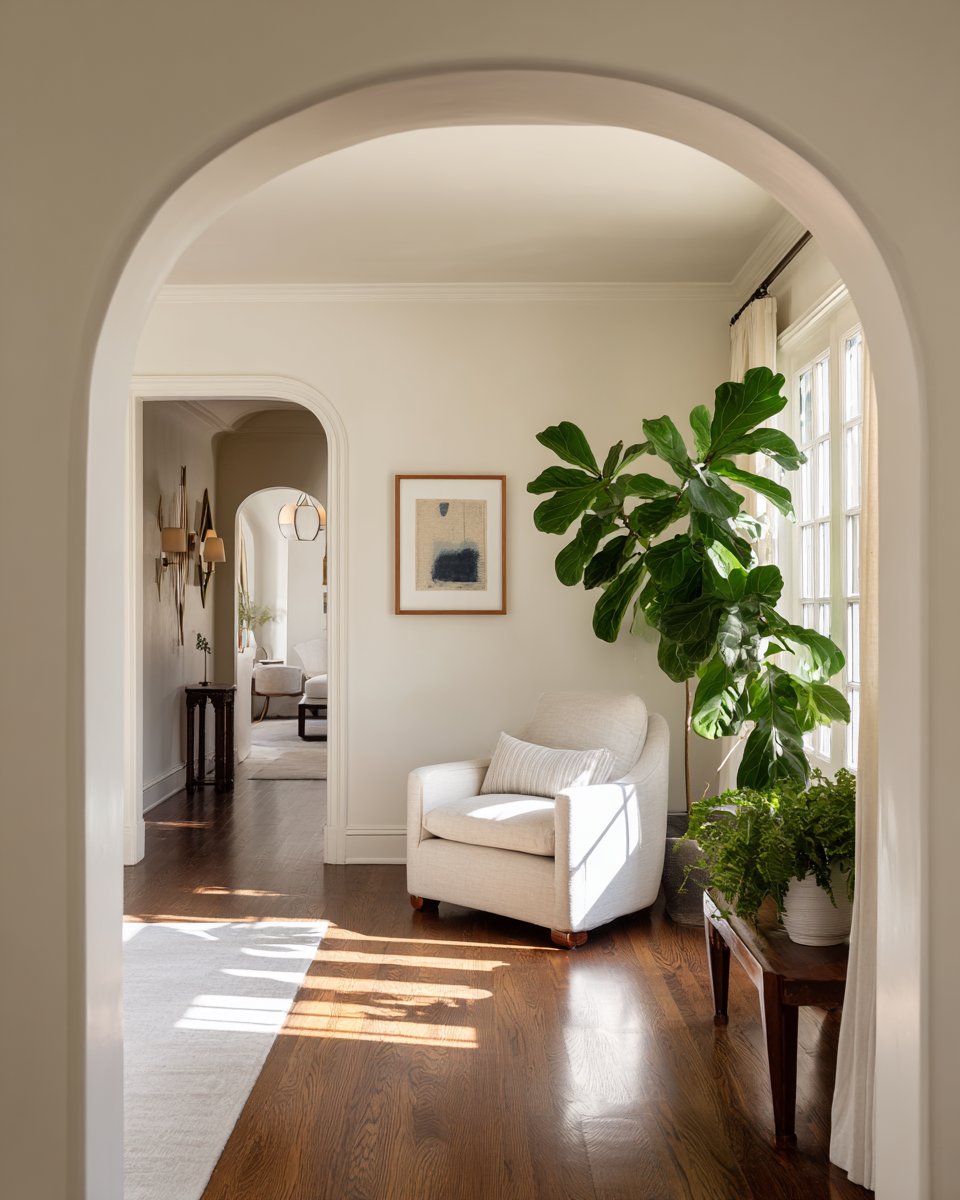
As visitors opens the front door and enters the house, create an environment that makes them feel welcome. There are several ways you can enhance the experience and maintain the excitement to see the rest of the house. Consider all senses, even smells. If you have pets, make sure you have eliminated any pet odors.
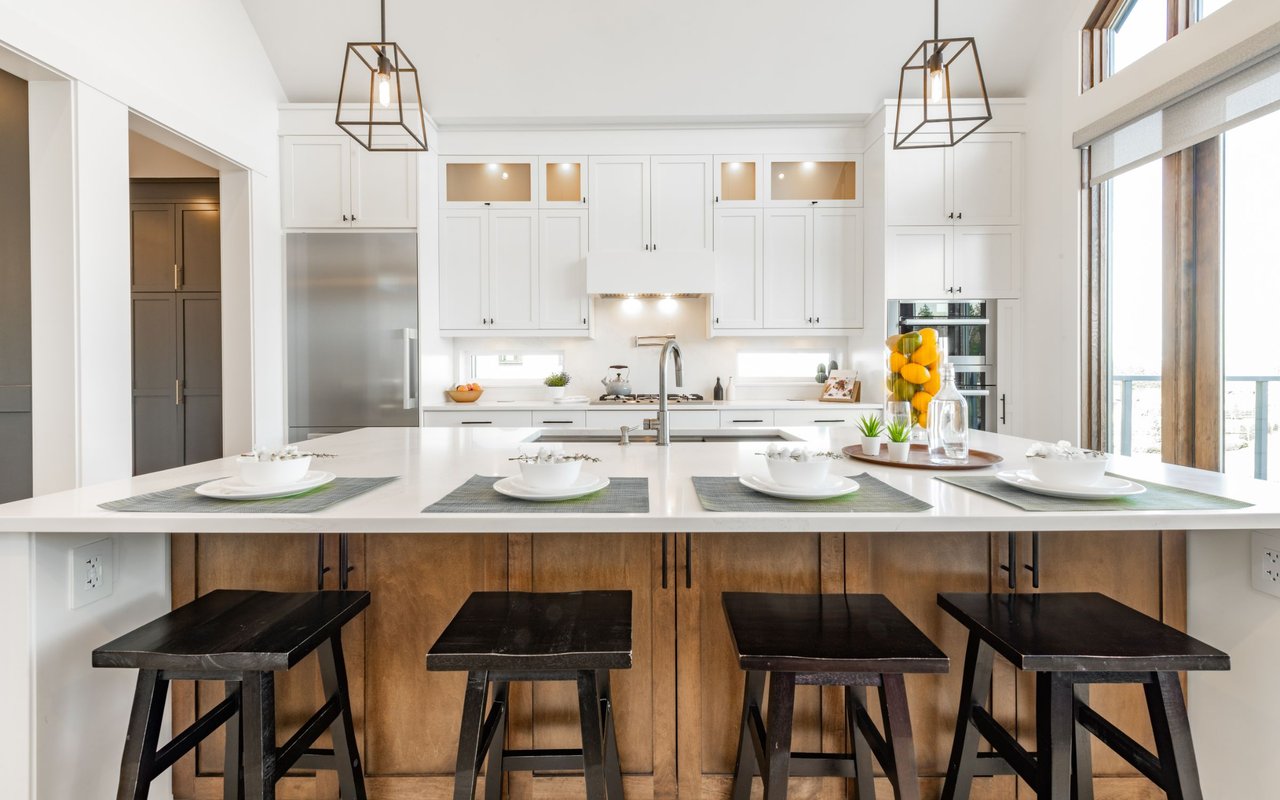
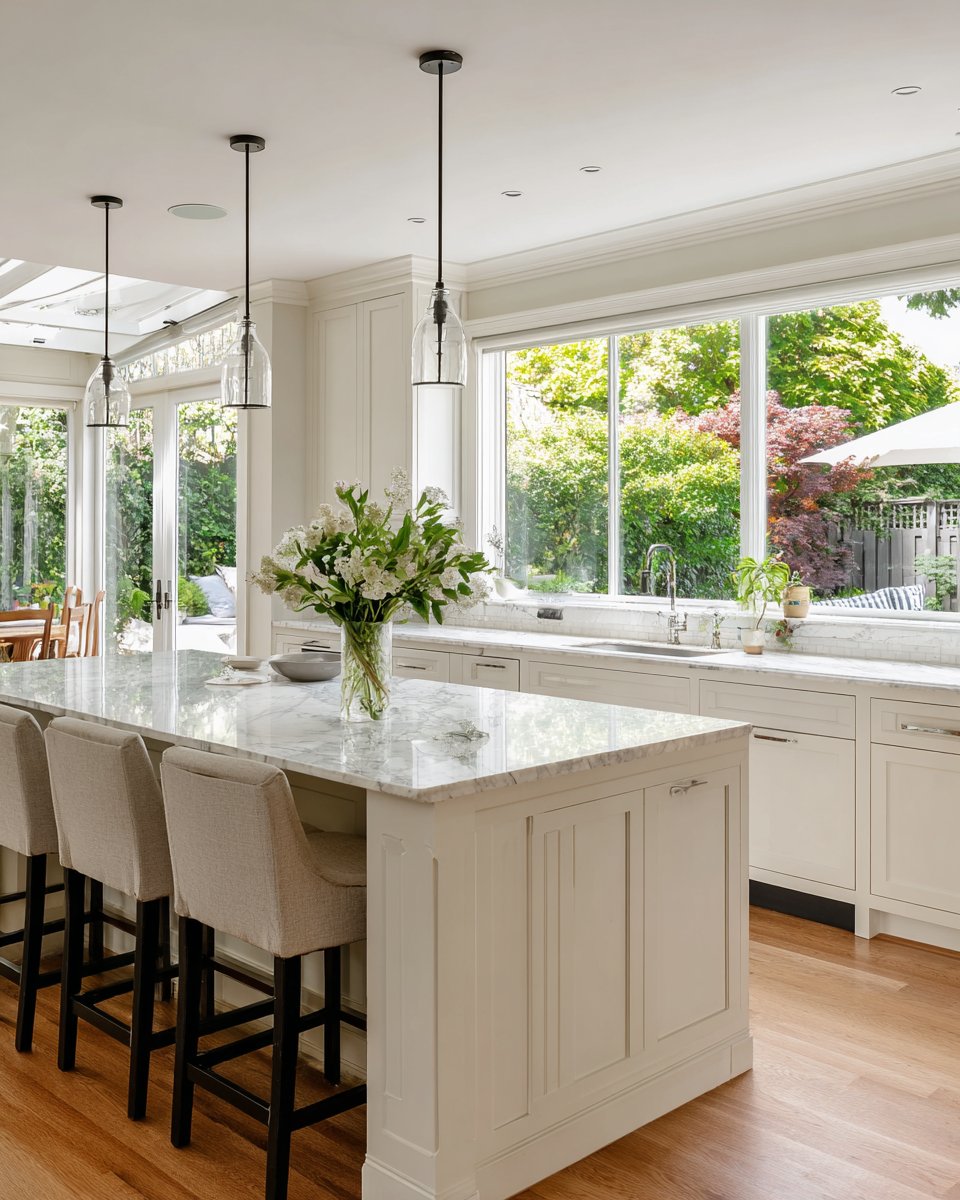
The kitchen is the heart of the home and has a huge influence on the resale value. This is an area you really want to kick it in high gear. Even when searching online, the first photo that will turn off a potential buyer, is that of the kitchen. Declutter cabinets and drawers!
Like kitchens, bathrooms in need of remodeling or upgrading can cause blinding dollar signs in the eyes of potential buyers. Do what you can do to make it look as updated as possible. It may be as simple as changing out the hardware, painting cabinets, and displaying new towels!
Doing the deep cleaning, decluttering, and purging of unnecessary items are the first steps to selling, no matter if you are having the home professionally staged or you are staging it yourself.
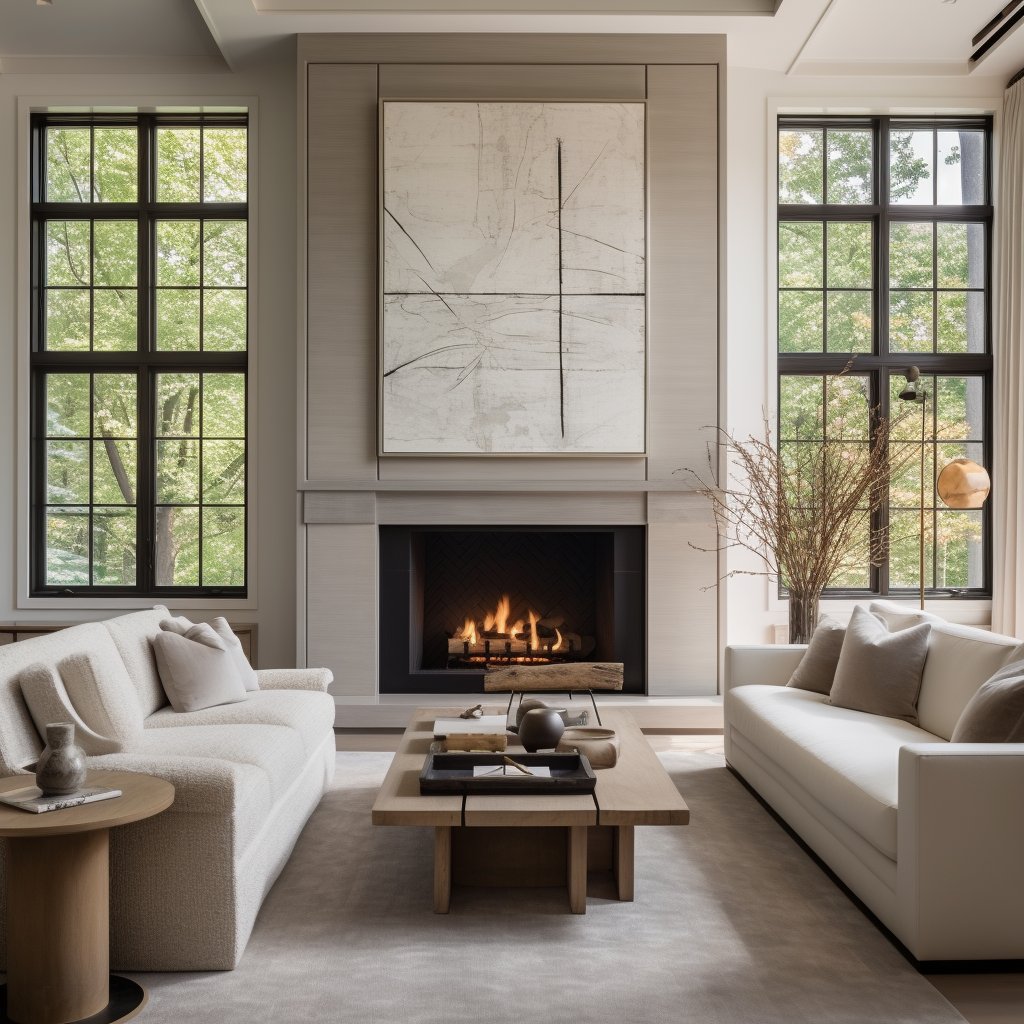
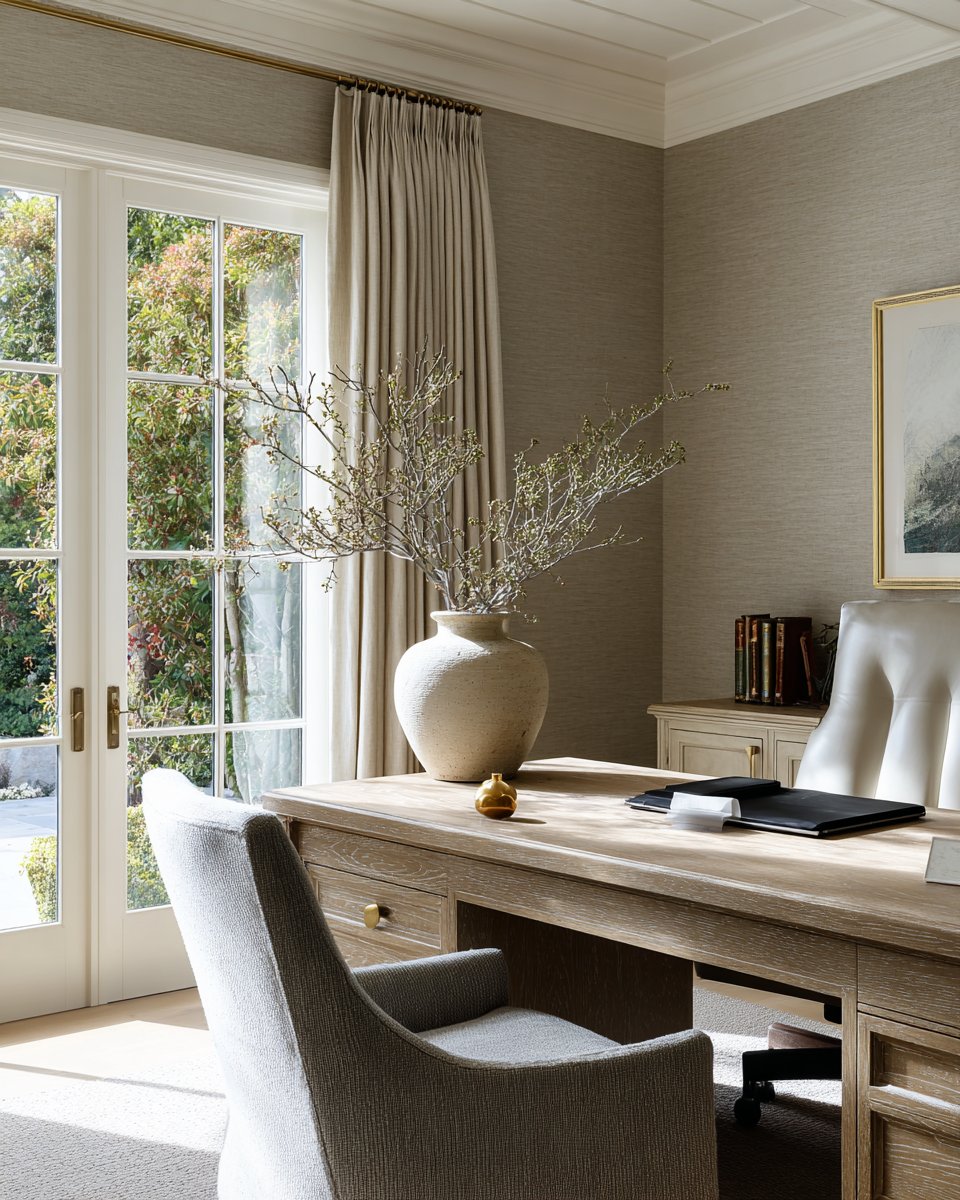
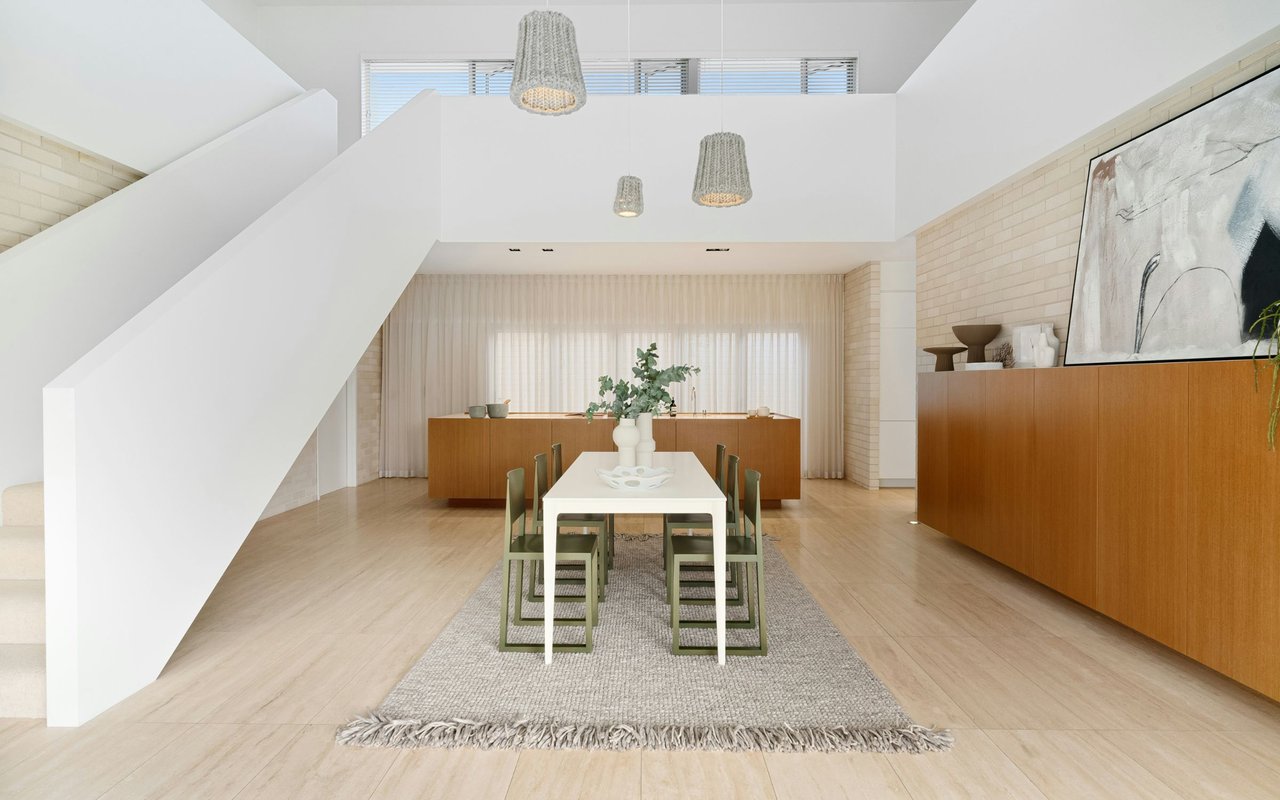
Each home has features and a specific layout or flow from room to room. Staging can accentuate the features you want them to notice, while telling a story of how each room can be used. Irregular rooms can be staged in a way to define a flow that makes sense to the potential buyer.
The goal of home staging is to improve the home’s appearance in the eyes of potential buyers as they walk through the front door. The ultimate goal is to sell the home more quickly and for the highest possible price. With home staging you should be able to present your house in a way that appeals to the largest possible audience.
Connect with a real estate professional who values trust, insight, and personal attention. Every step is guided by a deep understanding of what “home” truly means.