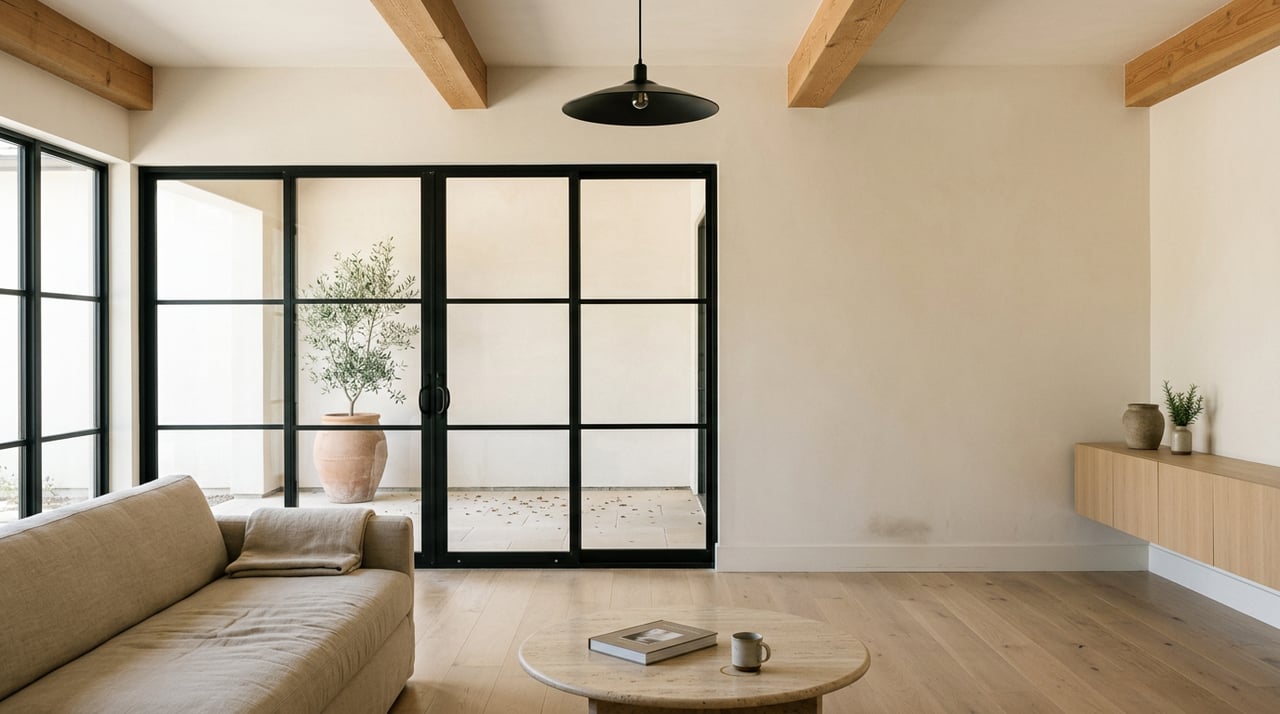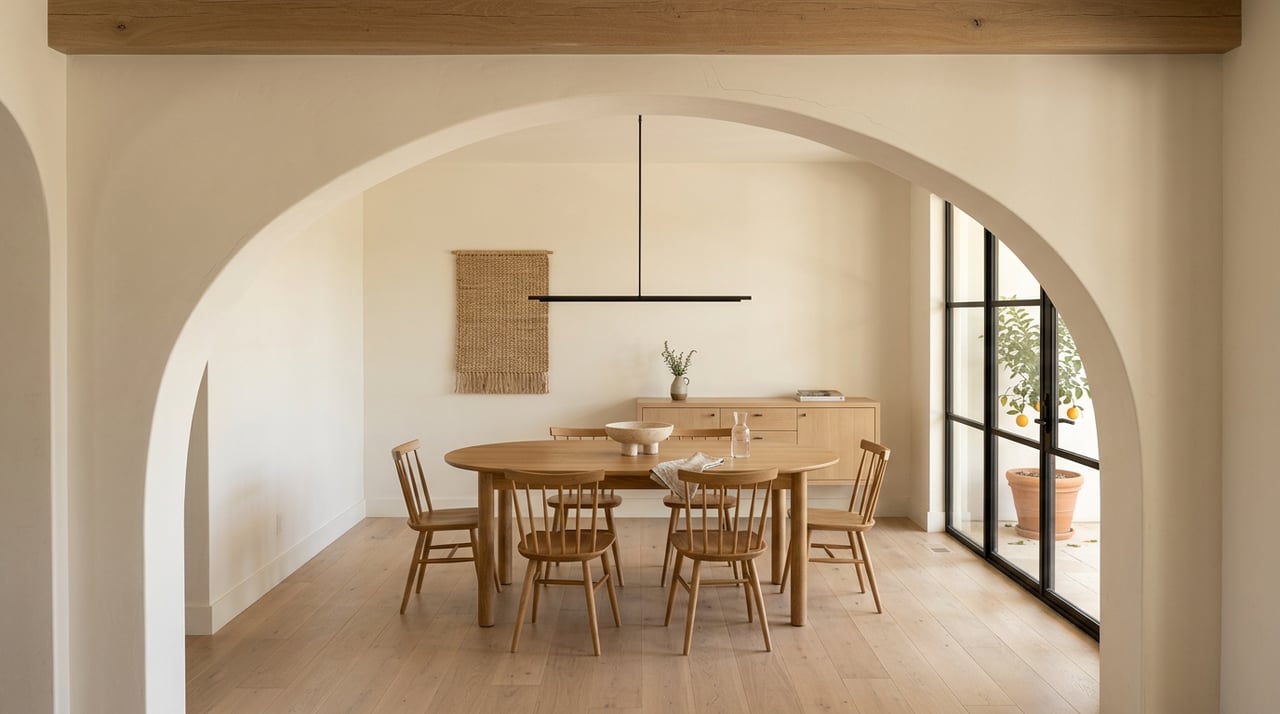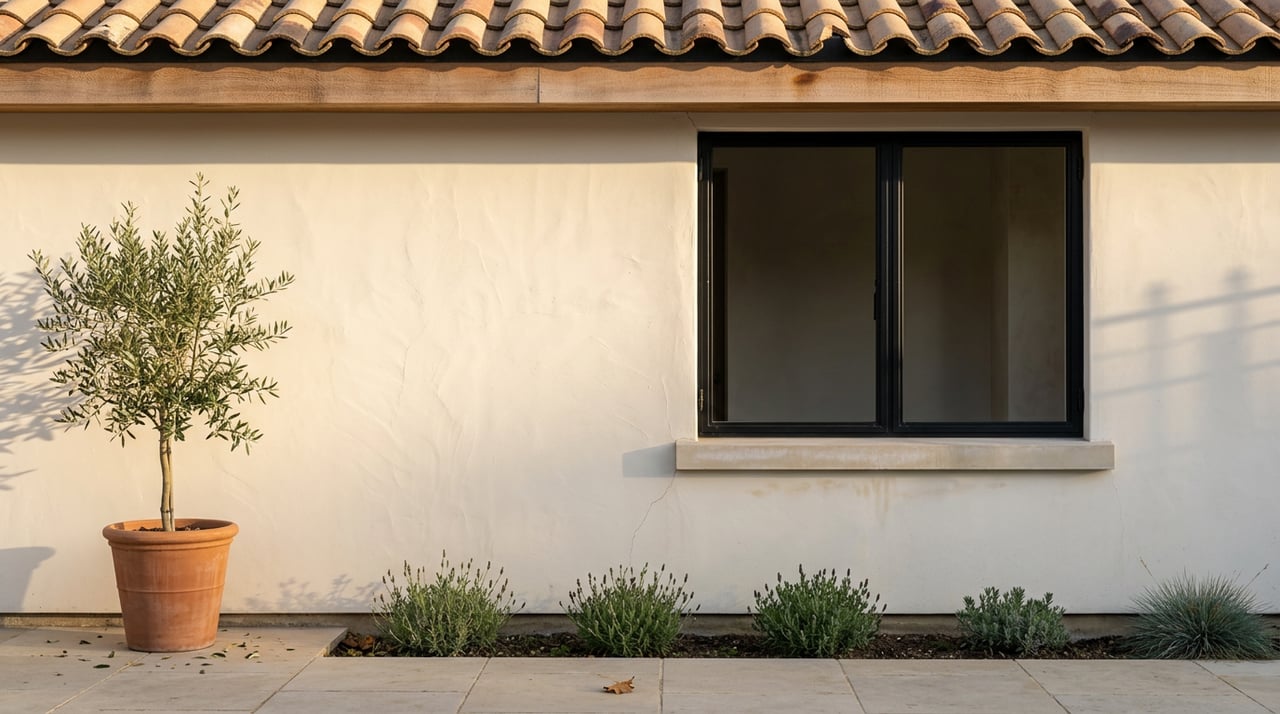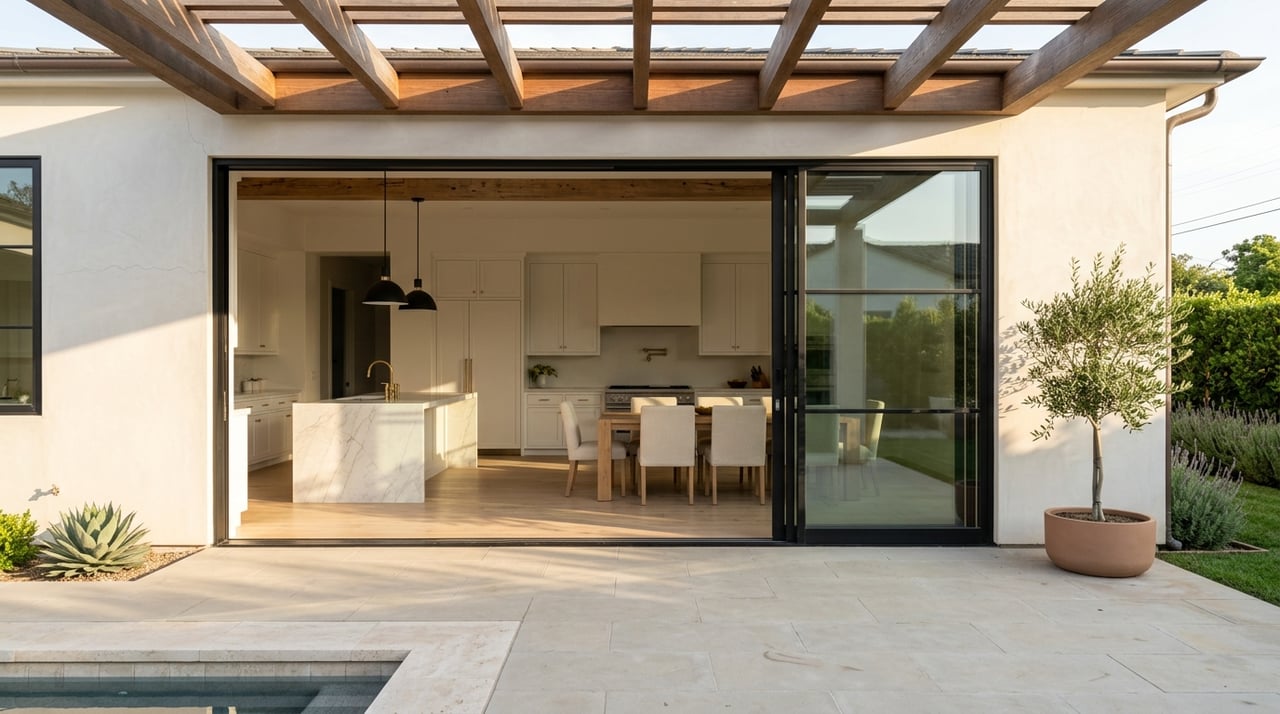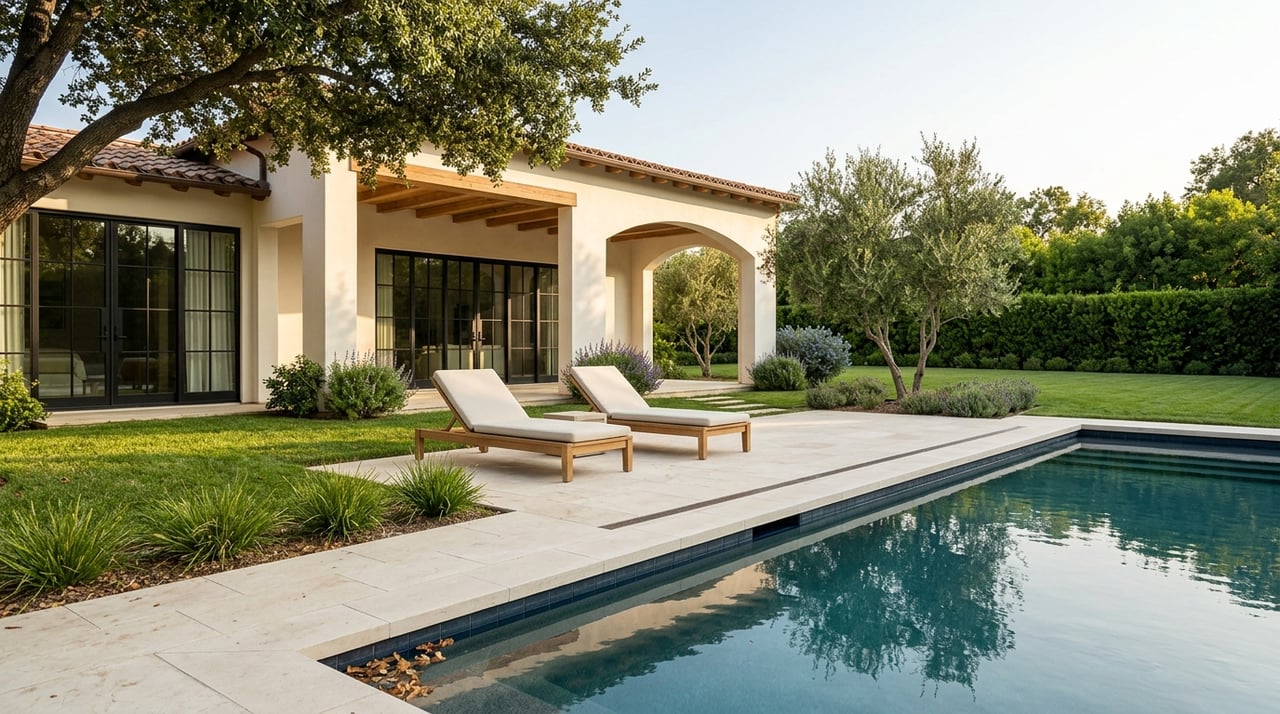
If you are looking for an East Bay community that feels calm, spacious, and connected to nature, Alamo deserves a close look. Many buyers want more than a house. You want a place that fits your daily rhythm, gives you breathing room, and still keeps you near the rest of the central East Bay. This guide will help you understand what living in Alamo is really like and how to decide whether it matches your goals. Let’s dive in.
What Alamo feels like
Alamo is an unincorporated community in Contra Costa County with a population of 15,314 as of the 2020 Census. Instead of having its own city government, local services are organized through the Alamo Municipal Advisory Council, which advises the County on issues like parks, safety, land use, and transportation.
For buyers, that matters because Alamo tends to feel more like a residential community than a busy town center. County planning materials describe it as being between Walnut Creek and Danville, with established neighborhoods, wooded hillsides, parks, and a strong community feel.
The housing character is also a big part of its identity. The area is known for mostly single-family ranch-style homes on relatively large lots, along with some estates on larger rural tracts. Alamo began as ranch and orchard land, and that history still shows up in its more open, low-density setting today.
Why buyers are drawn to Alamo
A lot of East Bay buyers come to Alamo because they want space, privacy, and a quieter setting. If you are comparing it with more built-up suburban areas, Alamo often feels more relaxed and less crowded day to day.
It is also a community with a strong long-term ownership pattern. Census QuickFacts reports a 91.8% owner-occupied rate and a median owner-occupied home value above $2 million. That helps explain why many homes here are tightly held and why buyers often view Alamo as a long-term lifestyle move, not just a short-term stop.
For move-up buyers especially, Alamo can offer a mix that is hard to find. You get a central East Bay location, larger residential lots, and a more semi-rural feel while still being close to nearby hubs.
Outdoor living is part of daily life
One of Alamo’s clearest lifestyle advantages is outdoor access. If trails, open space, and time outside are important to you, this area stands out.
The East Bay Regional Park District manages a large system across Alameda and Contra Costa counties, including 73 parks, 1,330 miles of trails, and 55 miles of shoreline. That regional network supports the outdoor-oriented lifestyle many buyers want when they focus on this part of the East Bay.
A trail that is especially relevant to Alamo is the Las Trampas to Mt. Diablo Regional Trail. This five-mile hiking and equestrian route connects Las Trampas Regional Wilderness to Mount Diablo State Park, crosses through Alamo at Oak Hill Park and Stone Valley Road, and moves through both residential and open-space areas.
That kind of access shapes everyday life. Instead of needing a major outing to get outside, you are in a place where open space is woven into the community.
Local parks and gathering spots
Contra Costa County’s Alamo Parks program maintains and improves local parks and events. Public facilities include Andrew H. Young Park, Livorna Park, and Rancho Romero School Sports Field and Park.
These spaces give residents practical places to spend time outdoors close to home. They also support the slower, neighborhood-centered rhythm that many buyers want when choosing Alamo.
Another local routine that adds to community life is the year-round Sunday farmers market at 3157 Danville Boulevard. For many buyers, that kind of recurring event helps a place feel grounded and livable, not just scenic.
Daily errands and dining in Alamo
Alamo is not built around a large downtown or major entertainment district. Its commercial core is more compact, which is part of the appeal for buyers who want convenience without a busier atmosphere.
Alamo Plaza functions as the community’s town center. It is described as a central hub for local restaurants, wellness studios, and essential services within walking distance.
The dining mix reflects that neighborhood-scale feel. Examples in Alamo Plaza include Xenia Bistro at 115 Alamo Plaza, Alamo Palace Chinese Restaurant at 120 Alamo Plaza, and EJ Phair Alehouse & Pub at 225 Alamo Plaza.
For your day-to-day life, this usually means you have useful local options nearby, but the overall environment stays quiet and residential. Broader errands may still involve short drives, especially because Alamo’s land use is mostly low-density housing rather than concentrated retail.
What that means for your routine
If you love the energy of a dense downtown with lots of restaurants and shops packed into a few blocks, Alamo may feel too quiet. If you prefer a more residential setting where local conveniences are present but not overwhelming, it may feel just right.
This is one of the most important lifestyle tradeoffs to understand before you buy. Alamo tends to put space and calm first, with services second.
Housing character and neighborhood setting
County planning materials describe Alamo and Castle Hill as having comfortable residential neighborhoods and wooded hillsides. That description gives a good sense of the visual character many buyers notice right away.
You are more likely to find low-density residential streets, larger lots, and homes that feel set apart from one another. In practical terms, this can mean more privacy, more yard space, and a stronger sense of separation from nearby properties.
That said, the experience can vary from one area to another. Some homes are closer to convenient routes and services, while others feel more tucked away. When you tour homes in Alamo, it helps to think beyond the house itself and pay attention to how each location supports your ideal day-to-day lifestyle.
Schools and community services
Alamo is served by San Ramon Valley Unified School District, which serves about 30,000 students across Alamo, Danville, and San Ramon, with small portions of Walnut Creek and Pleasanton. The district’s school list includes Alamo Elementary.
For many buyers, knowing the serving district is an important part of planning. If schools are part of your home search, it is always wise to confirm school assignment and enrollment details directly as you evaluate specific properties.
Because Alamo is unincorporated, some local governance and service structure may feel a little different than in an incorporated city. The Alamo Municipal Advisory Council plays an advisory role on topics such as land use, transportation, parks, and safety, which helps shape local community priorities.
Regional location and access
One reason Alamo appeals to East Bay buyers is its position in the central Contra Costa corridor. County materials identify Danville Boulevard and Interstate 680 as major structural elements in the area.
That location places Alamo between Walnut Creek and Danville, which gives you access to nearby shopping, services, and regional connections while still living in a quieter residential setting. For many buyers, this balance is a major selling point.
If your lifestyle includes regular drives to surrounding East Bay destinations, Alamo’s location can feel practical and central. It often works well for buyers who want a calmer home base without feeling too removed from everyday conveniences in nearby communities.
Who Alamo fits best
Alamo is often a strong match if you are looking for a home that supports privacy, outdoor access, and a more established residential feel. Buyers who value larger lots and a less dense setting often see the appeal quickly.
It can be especially attractive if you already know nearby communities like Danville or Walnut Creek and want something with a similar central East Bay position but a more semi-rural texture. That difference in feel is often one of Alamo’s biggest strengths.
On the other hand, Alamo may be less ideal if your top priority is high walkability or a large restaurant and retail scene right outside your door. The setting is more about home, space, and surroundings than a busy downtown lifestyle.
How to evaluate Alamo as a buyer
If Alamo is on your shortlist, it helps to evaluate it through the lens of your real life, not just listing photos. A beautiful home in the wrong setting can still feel like the wrong fit.
Here are a few smart questions to ask as you explore the area:
- How important are larger lots and privacy to you?
- Do you want trail and park access close to home?
- Are you comfortable with a quieter, less retail-dense daily environment?
- How often will you drive to nearby communities for errands, dining, or other routines?
- Does the balance of residential calm and regional access match your lifestyle goals?
When buyers answer these questions clearly, the decision usually becomes much easier. In Alamo, the lifestyle tends to be very consistent: residential, outdoor-oriented, and centered on space.
Why local guidance matters in Alamo
Because Alamo has a distinct housing profile and a high-value residential market, it helps to work with an advisor who understands both lifestyle fit and property strategy. Two homes can have a similar price point but offer very different experiences in privacy, lot use, setting, and access.
That is where clear guidance matters. You want to evaluate not only the home itself, but also how it supports your routine, your goals, and your long-term plans in the East Bay.
If you are considering a move to Alamo, the right approach is equal parts market strategy and lifestyle clarity. That combination helps you buy with more confidence and fewer surprises.
If you want help deciding whether Alamo fits your goals, or you are ready to start touring homes in the area, Emon Komeily can help you navigate the East Bay market with clear advice, local insight, and a thoughtful strategy tailored to your needs.
FAQs
What is Alamo, California like for East Bay home buyers?
- Alamo is an unincorporated Contra Costa County community known for established residential neighborhoods, wooded hillsides, larger lots, parks, and a quieter day-to-day setting.
What kind of homes are common in Alamo?
- County planning materials describe Alamo as mostly single-family ranch-style housing on relatively large lots, along with some estates on larger rural tracts.
Does Alamo have parks and trails nearby?
- Yes. Alamo has local park facilities such as Andrew H. Young Park, Livorna Park, and Rancho Romero School Sports Field and Park, and it is also crossed by the Las Trampas to Mt. Diablo Regional Trail.
Is Alamo walkable for daily errands and dining?
- Alamo has a compact town center at Alamo Plaza with restaurants and services, but many broader errands are likely to involve short drives because the community is largely low-density and residential.
What school district serves Alamo, California?
- Alamo is served by San Ramon Valley Unified School District, and the district’s school list includes Alamo Elementary.
Where is Alamo located in the East Bay?
- Alamo sits in central Contra Costa County between Walnut Creek and Danville, with Danville Boulevard and Interstate 680 serving as major regional connections.